Free shipping
from $199

No hidden fees, ever.

Lightning-Fast
Delivery

Speedy service straight to your door.

Expert-formulated
Supplements

Backed by sports science.

NEW: USA BESTSELLERS
FORGED FOR PERFORMANCE
SCIENCE-BACKED RECOVERY

Chosen For You

See all products

Blog — Explore the Latest Articles

All articles
Article photo
Nutrition
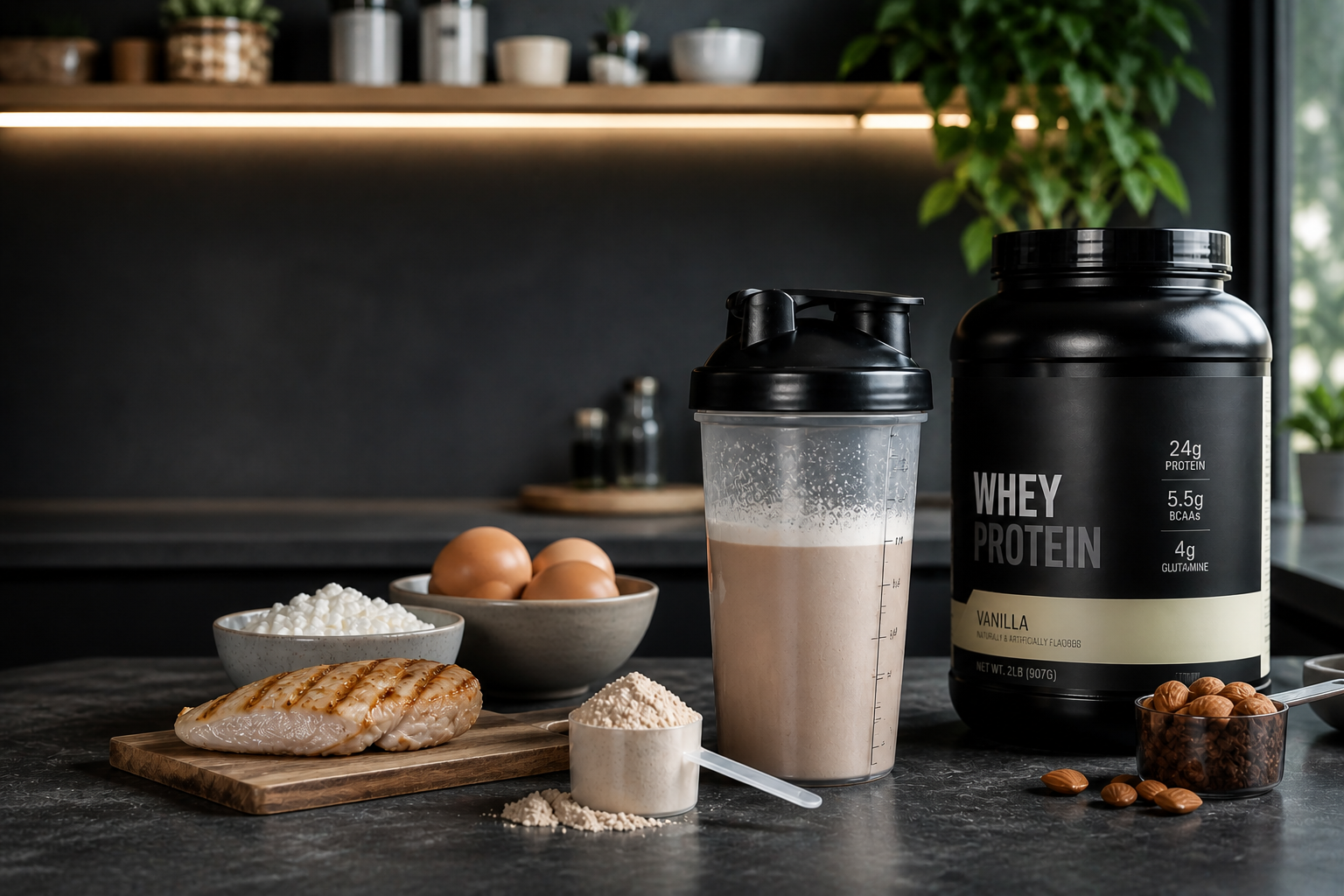
How much protein do you really need after 40? Science-backed guidelines
Read more
Article photo
Training
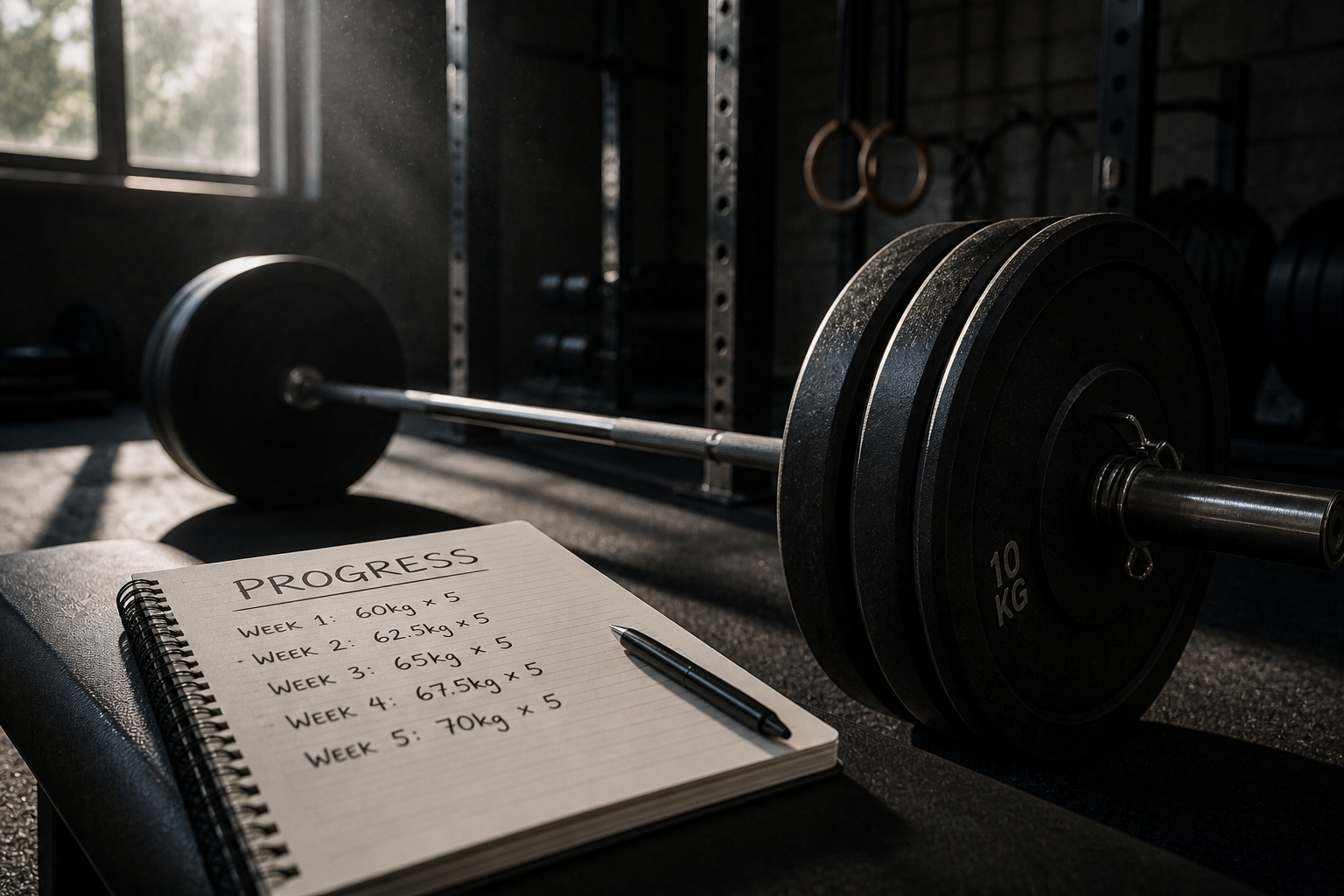
Progressive overload demystified: the only method you need for hypertrophy
Read more
Article photo
Recovery
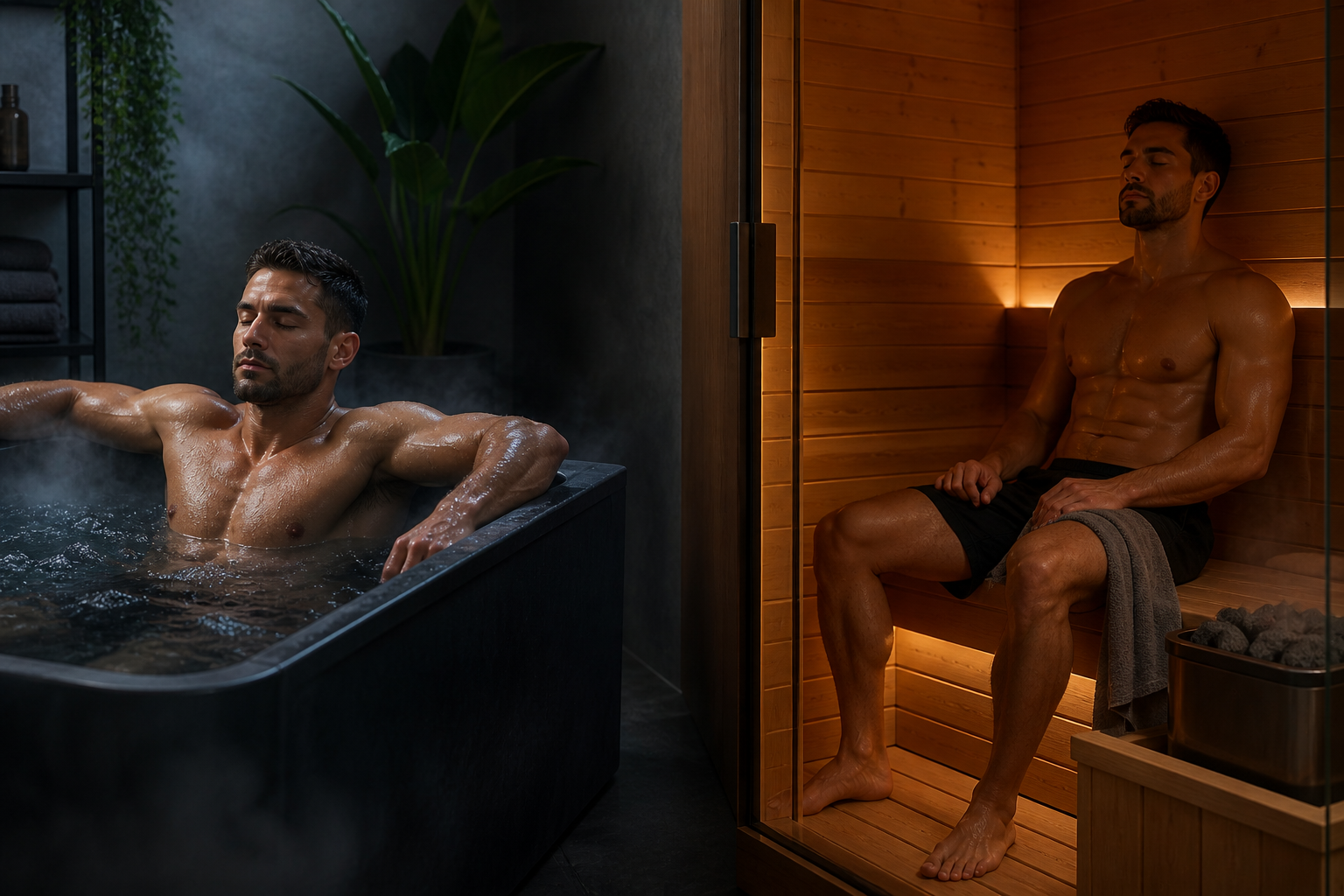
Cold therapy vs. sauna: which recovery method wins for athletes?
Read more
Article photo
Supplements
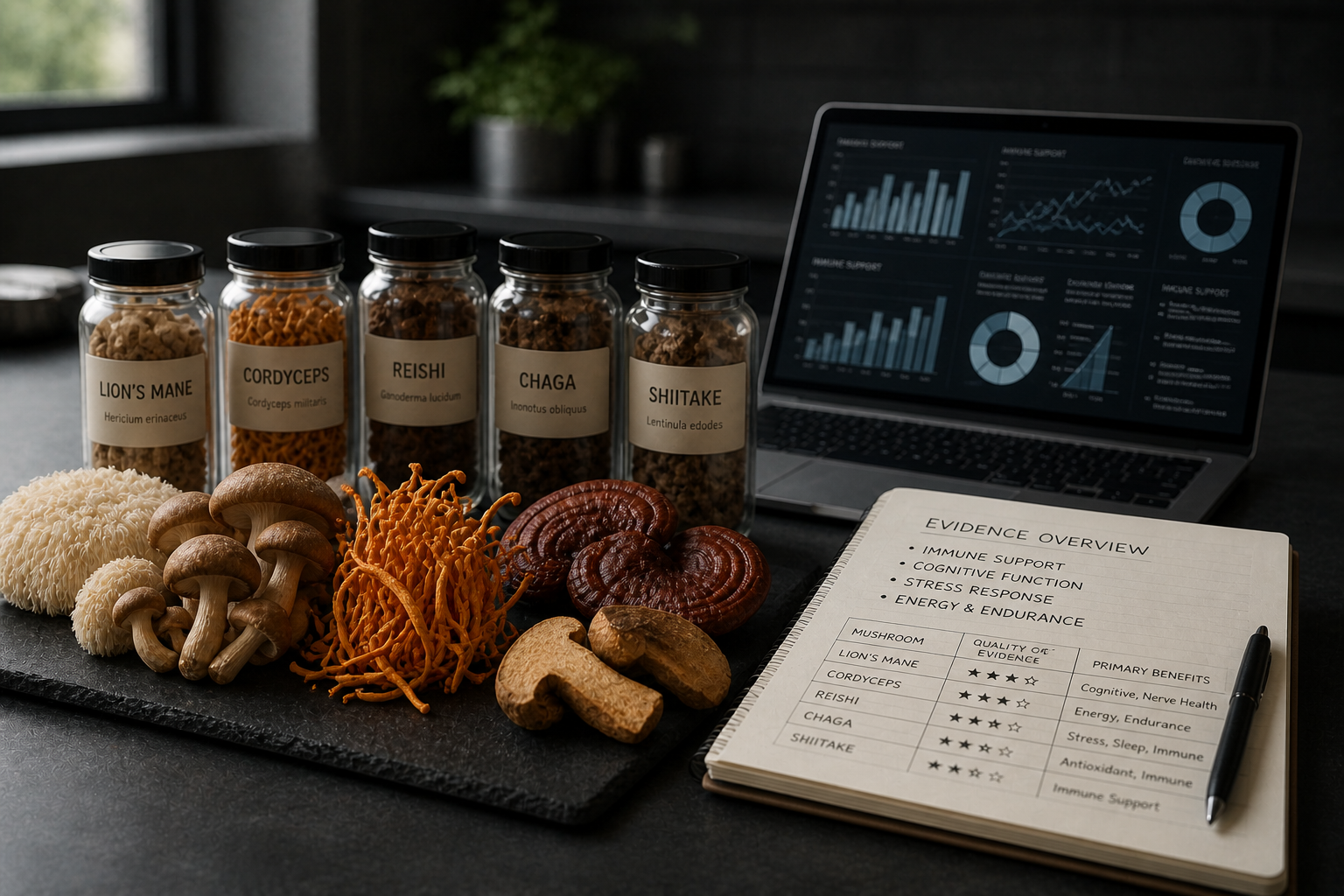
Functional mushrooms: Lion's Mane, Reishi, and Cordyceps — what the data shows
Read more
Article photo
Health
Sleep optimization for muscle growth: melatonin, magnesium, and routines
Read more
Article photo
Focus
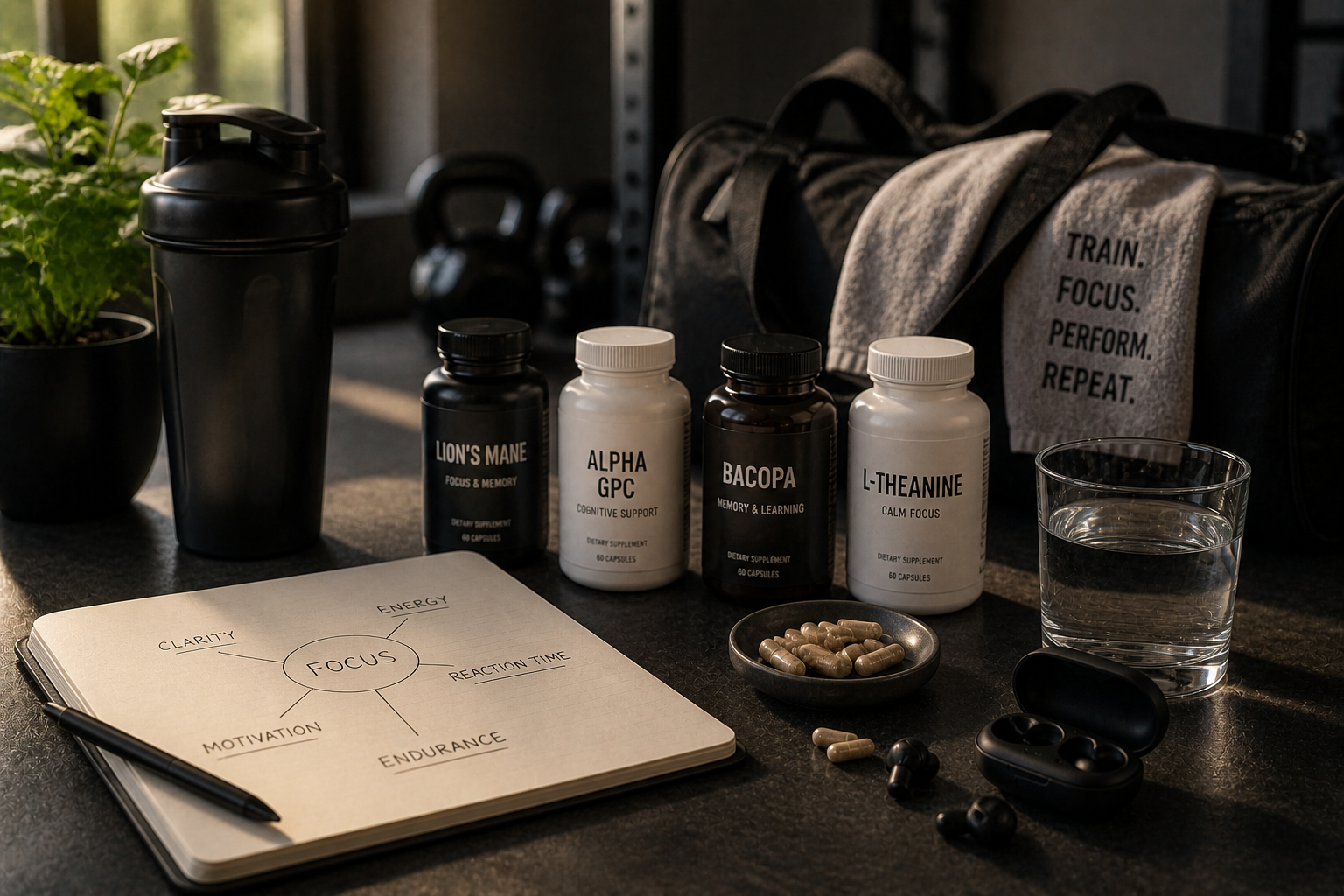
Nootropics for athletes: cognitive supplements that actually work
Read more

About Shape Supply Hub — Performance Nutrition Built Different

Shape Supply Hub was founded on one principle: that elite nutrition should be accessible to every athlete, not just professionals. We formulate each product with precision, sourcing only ingredients that meet pharmaceutical-grade purity standards. Our lab-tested whey proteins, amino acids, and micronutrient complexes are designed by sports scientists with real-world application at the forefront. Whether you're a competitive bodybuilder, a weekend trail runner, or someone just beginning their fitness journey, Shape Supply Hub products meet you where you are and push you further. We believe in radical transparency — full ingredient disclosure, no proprietary blends, no fillers. Every batch is third-party tested and results are published on our website. Our community of over 200,000 athletes across Europe trusts Shape Supply Hub because we earn that trust every single day with quality that speaks for itself.
Wellness SMS Updates
Account confirmations, subscription updates, plus health tips & nutrition insights — direct to your phone.
All Products
Product
All Products
★★★★★
Free shipping on orders over $199
14-day returns — no questions asked
Third-party lab tested — certificate available
In stock — ships within 24 hours

Your Cart

Your cart is empty
Added to cart!
Our Blog
6 articles
Article photo
NutritionMarch 12, 2025
How much protein do you really need after 40? Science-backed guidelines
Most people over 40 are chronically under-eating protein. We break down the latest research on optimal intake for muscle retention and healthy aging.
Read article
Article photo
TrainingMarch 5, 2025
Progressive overload demystified: the only method you need for hypertrophy
Forget complex programming. Progressive overload is the single most validated driver of muscle growth — here's how to do it right, every session.
Read article
Article photo
RecoveryFebruary 28, 2025
Cold therapy vs. sauna: which recovery method wins for athletes?
Both have passionate advocates. We compared the research on cold immersion, contrast therapy, and infrared sauna for athletic recovery.
Read article
Article photo
SupplementsFebruary 18, 2025
Functional mushrooms: Lion's Mane, Reishi, and Cordyceps — what the data shows
Adaptogens are trending, but which ones actually have clinical evidence? We read the studies so you don't have to.
Read article
Article photo
HealthFebruary 10, 2025
Sleep optimization for muscle growth: melatonin, magnesium, and routines
Your gains happen while you sleep. Learn which supplements and habits have the strongest evidence for improving sleep quality and GH output.
Read article
Article photo
FocusJanuary 30, 2025
Nootropics for athletes: cognitive supplements that actually work
Mind-muscle connection is real. We review the evidence for caffeine, L-theanine, Lion's Mane, and newer nootropic stacks for athletic performance.
Read article
Blog
Nutrition
How much protein do you really
need after 40?

One of the most persistent myths in fitness is that protein needs stay constant throughout life. The reality is more nuanced — and for anyone over 40, considerably more important to understand. Muscle protein synthesis declines with age, a process called anabolic resistance, meaning older adults need more dietary protein to achieve the same muscle-building signal as younger people.

What the Research Says

The current Recommended Dietary Allowance (RDA) for protein is 0.8g per kilogram of body weight — a figure established to prevent deficiency in sedentary adults, not to optimize muscle retention in active people. For adults over 40, especially those who train, most sports science organizations now recommend between 1.6–2.2g per kg.

Key finding: A 2020 meta-analysis in the British Journal of Sports Medicine found that protein intakes above 1.62g/kg/day produced diminishing returns for muscle mass gains in younger adults — but the threshold was consistently higher (up to 2.2g/kg) in participants over 50.

Practical Guidelines by Goal

Muscle retention (maintenance)

  • Target 1.6–1.8g per kg of body weight daily
  • Distribute intake across 3–5 meals of 25–40g each
  • Prioritize leucine-rich sources (whey, eggs, beef, legumes)

Active muscle building

  • Target 1.8–2.2g per kg, especially during caloric surplus
  • Post-workout window: 30–50g high-quality protein within 2 hours
  • Supplementation with whey isolate is effective when whole-food intake falls short

Timing Matters More After 40

Younger muscles respond well to a single large protein meal. Older muscles benefit from more evenly spaced intake — a concept called protein distribution. Skipping protein at breakfast, for example, means missing a critical anabolic window during the overnight fasting recovery period.

Consider a structured approach: 30g at breakfast, 30–40g at lunch, 40–50g post-training, and a slow-digesting source (casein or Greek yogurt) before bed to support overnight muscle protein synthesis.

Supplement Recommendation

If hitting protein targets through whole food alone is difficult — which is common — a high-quality whey isolate like VF Whey Isolate 2kg offers 80g of protein per serving with minimal fat and lactose, making it ideal for post-training recovery at any age.

Related Articles

Training
Progressive overload demystified: the only method you need for hypertrophy
Health
Sleep optimization for muscle growth: melatonin, magnesium, and routines
Focus
Nootropics for athletes: cognitive supplements that actually work
Blog
Training
Progressive overload:
the only method you need

Every decade, the fitness industry produces a new "revolutionary" training method. Supersets, drop sets, blood flow restriction, cluster sets — the list is endless. Yet decades of exercise science keep arriving at the same conclusion: nothing drives hypertrophy as consistently and reliably as progressive overload.

What Progressive Overload Actually Means

Progressive overload is the principle of gradually increasing the demands placed on the musculoskeletal system over time. The body adapts to stress — once it has adapted, the same stress no longer drives growth. You must continually increase the challenge.

Core principle: A muscle only grows larger and stronger when it is consistently asked to do more than it has done before. Comfort is the enemy of adaptation.

Five Ways to Apply It

  • Add weight — the most direct method. Even 1.25kg increments compound dramatically over months.
  • Add reps — complete more reps with the same weight before progressing load.
  • Add sets — increase total weekly volume for a muscle group.
  • Reduce rest — the same work in less time is a higher training density.
  • Improve technique — better range of motion and control recruit more muscle fibers.

Common Mistakes

Changing exercises too frequently

If you switch movements every few weeks, you never accumulate enough adaptation in a specific pattern to drive meaningful strength. Pick 3–5 core compound lifts and run them for 8–16 weeks.

Ignoring deload weeks

Progressive overload without planned recovery leads to overreaching. A deload week every 4–6 weeks — reducing volume by 40–50% — allows supercompensation, which is where actual growth occurs.

Tracking is Non-Negotiable

You cannot progressively overload what you do not measure. A training log — even a simple notebook — is the most underused performance tool available. Track sets, reps, load, and how each session felt. Patterns will become obvious within weeks.

Related Articles

Nutrition
How much protein do you really need after 40?
Recovery
Cold therapy vs. sauna: which recovery method wins?
Health
Sleep optimization for muscle growth
Blog
Recovery
Cold therapy vs. sauna:
which wins for athletes?

Athletic recovery has never had more tools available — and rarely has the debate been louder. Cold water immersion, cryotherapy, infrared sauna, contrast therapy, and steam rooms all claim to accelerate recovery. Who's right? The answer, as with most things in exercise science, is "it depends."

Cold Water Immersion (CWI)

Cold immersion (10–15°C for 10–15 minutes) reduces perceived muscle soreness and decreases inflammatory markers acutely. It works by causing vasoconstriction, flushing metabolic waste from muscles, and reducing nerve conduction velocity (which blunts pain signals).

Important caveat: Multiple studies, including a landmark 2015 paper in the Journal of Physiology, found that CWI after strength training attenuates long-term muscle hypertrophy by blunting the inflammatory response that drives adaptation. Save cold exposure for competition recovery, not after every training session.

Sauna (Finnish & Infrared)

Heat exposure causes vasodilation, increases heart rate (cardiovascular conditioning effect), elevates growth hormone significantly, and — critically — triggers heat shock proteins that protect and repair muscle tissue. Regular sauna use (4x/week) is associated with reduced all-cause mortality in large Finnish cohort studies.

Infrared vs. traditional

  • Traditional Finnish sauna: 80–100°C, high humidity option, superior heat shock protein response
  • Infrared sauna: 50–60°C, penetrates tissue more deeply, better tolerated by beginners
  • Both produce comparable cardiovascular and recovery benefits in most studies

The Verdict

For pure recovery speed and soreness reduction: cold immersion wins short-term. For long-term adaptation, hormonal benefits, and cardiovascular health: sauna wins. The ideal protocol for most athletes is sauna 3–4x per week as a training tool, and cold immersion reserved for the day before or after competition when maximal freshness matters more than adaptation.

Magnesium supplementation post-sauna is strongly recommended — heat-induced sweating significantly depletes electrolytes, and magnesium deficiency directly impairs muscle function and sleep quality.

Related Articles

Training
Progressive overload demystified
Supplements
Functional mushrooms: what the data shows
Health
Sleep optimization for muscle growth
Blog
Supplements
Functional mushrooms:
what the data shows

Functional mushrooms have moved from fringe health food stores into mainstream sports nutrition. But as with any rapidly-trending supplement category, quality of evidence varies enormously between individual species. Here is what the current research actually supports.

Lion's Mane (Hericium erinaceus)

The most compelling evidence exists for cognitive benefits. Lion's Mane stimulates the synthesis of Nerve Growth Factor (NGF), a protein critical for the growth and maintenance of neurons. Human trials have demonstrated improvements in mild cognitive impairment and focus in healthy adults at doses of 500–3000mg daily of dried mushroom extract.

For athletes: The mind-muscle connection is a real neurological phenomenon. Enhanced cognitive clarity and reduced mental fatigue during training are reported consistently by users, and have some mechanistic backing via NGF upregulation.

Reishi (Ganoderma lucidum)

Reishi is primarily an adaptogen — it modulates rather than suppresses or stimulates the immune system. Trials show reductions in inflammatory cytokines, improvements in sleep quality (via triterpene content), and modest anti-anxiety effects. It is not a stimulant; its benefits accumulate over weeks of consistent use.

Cordyceps (C. militaris & C. sinensis)

  • Improves VO2 max and aerobic capacity in moderate-intensity athletes
  • Increases ATP production at the cellular level via adenosine pathway modulation
  • Effective dose: 1000–3000mg daily of C. militaris extract
  • C. sinensis (the traditional form) is rarely found in supplements — C. militaris is the researched and available form

Quality Considerations

The functional mushroom supplement market has significant quality variance. Look for products specifying the fruiting body (not mycelium on grain), standardized beta-glucan content (the active compound), and third-party testing. Shape Supply Hub's Mushroom Complex uses 8:1 hot water extracts of certified fruiting bodies with verified beta-glucan percentages per capsule.

Related Articles

Nutrition
How much protein do you really need after 40?
Focus
Nootropics for athletes: cognitive supplements that work
Health
Sleep optimization for muscle growth
Blog
Health
Sleep optimization
for muscle growth

The gym is where you stress the muscle. The kitchen is where you fuel it. But the bedroom is where you actually build it. Sleep is the most underestimated performance variable in recreational fitness — and it is free.

What Happens During Sleep

Approximately 70% of daily growth hormone (GH) secretion occurs during slow-wave sleep (SWS), primarily in the first two sleep cycles of the night. GH drives muscle protein synthesis, fat oxidation, and tissue repair. Poor sleep quality — specifically reduced SWS — directly impairs GH pulse amplitude.

The cascade: Poor sleep → reduced GH → impaired muscle protein synthesis → reduced recovery → worse performance → worse sleep. Breaking this cycle is often the single highest-ROI intervention available to recreational athletes.

Evidence-Based Interventions

Magnesium glycinate (300–400mg before bed)

The most consistently supported supplement for sleep quality. Magnesium activates GABA receptors, the primary inhibitory neurotransmitter, promoting relaxation and reducing sleep onset latency. The glycinate chelate form has superior absorption and avoids the laxative effect of oxide or citrate forms.

Melatonin (0.5–1mg, 60 minutes before sleep)

Contrary to popular use, higher doses (5–10mg) are not more effective and may blunt natural production over time. Low-dose melatonin advances the circadian phase — making it ideal for shift workers, travelers, and anyone with a delayed sleep phase.

L-Theanine (200mg)

  • Promotes alpha brain wave activity (relaxed alertness transitioning to sleep)
  • Synergistic with magnesium for anxiety-related sleep disruption
  • Non-sedating — does not impair next-day alertness

Environmental Factors

Supplementation amplifies good sleep hygiene; it cannot replace it. Room temperature (17–19°C), complete darkness, consistent sleep/wake timing, and no screens 60 minutes before bed have stronger evidence than any single supplement. Build the foundation first, then supplement on top of it.

Related Articles

Recovery
Cold therapy vs. sauna: which wins for athletes?
Nutrition
How much protein do you really need after 40?
Supplements
Functional mushrooms: what the data shows
Blog
Focus
Nootropics for athletes:
what actually works

The nootropics market is flooded with products making extraordinary claims. Most are either too underdosed to matter or rely on compounds with no human trial evidence at all. This article covers only what has meaningful clinical backing specifically in athletic or high-performance contexts.

Caffeine — The Benchmark

No nootropic has more evidence than caffeine. It is the single most studied ergogenic aid in existence. At doses of 3–6mg/kg body weight, caffeine reliably improves endurance performance, strength output, reaction time, and cognitive throughput. The mechanism is adenosine receptor antagonism — caffeine blocks the signal that makes you feel fatigued.

Optimal protocol: 200–400mg 45–60 minutes pre-training. Cycle off 1–2 days per week to maintain receptor sensitivity. Avoid within 8 hours of sleep onset.

L-Theanine + Caffeine Stack

L-Theanine (200mg) combined with caffeine (100–200mg) is the most validated cognitive stack in the literature. Theanine smooths the stimulant edge of caffeine, prolongs its duration, and adds alpha-wave brain activity (focused calm). The combination outperforms either compound alone in sustained attention tasks.

Lion's Mane Extract

As covered in our mushrooms article, Lion's Mane supports NGF synthesis and long-term neuroplasticity. It is not acutely stimulating — think of it as infrastructure investment for your nervous system rather than a pre-workout boost. Benefits accumulate over 4–8 weeks of consistent use.

Alpha-GPC

  • Choline precursor that crosses the blood-brain barrier efficiently
  • Shown to improve power output and growth hormone release in trained athletes
  • Dose: 300–600mg pre-training
  • Synergistic with racetams (though these require prescription in some countries)

What to Skip

Huperzine A (poor safety profile at long-term use), most proprietary "focus blends" with undisclosed dosing, and anything claiming to "rewire your brain" in days. Nootropics are tools for marginal gains on top of solid fundamentals — sleep, nutrition, and training take priority.

Related Articles

Supplements
Functional mushrooms: what the data shows
Health
Sleep optimization for muscle growth
Training
Progressive overload demystified